Start Today im.over.covid leaked videos premier media consumption. No strings attached on our video portal. Get captivated by in a ocean of videos of hand-picked clips on offer in top-notch resolution, excellent for discerning streaming lovers. With the newest additions, you’ll always get the latest. Encounter im.over.covid leaked videos organized streaming in life-like picture quality for a absolutely mesmerizing adventure. Get involved with our community today to stream solely available premium media with totally complimentary, no commitment. Experience new uploads regularly and explore a world of original artist media tailored for premium media connoisseurs. Make sure to get distinctive content—click for instant download! Experience the best of im.over.covid leaked videos exclusive user-generated videos with vibrant detail and exclusive picks.
The expression i'm in or count me in mean that you wish to be included in a proposed activity The nature of the word home in come/go home is often. I'm going to the bar
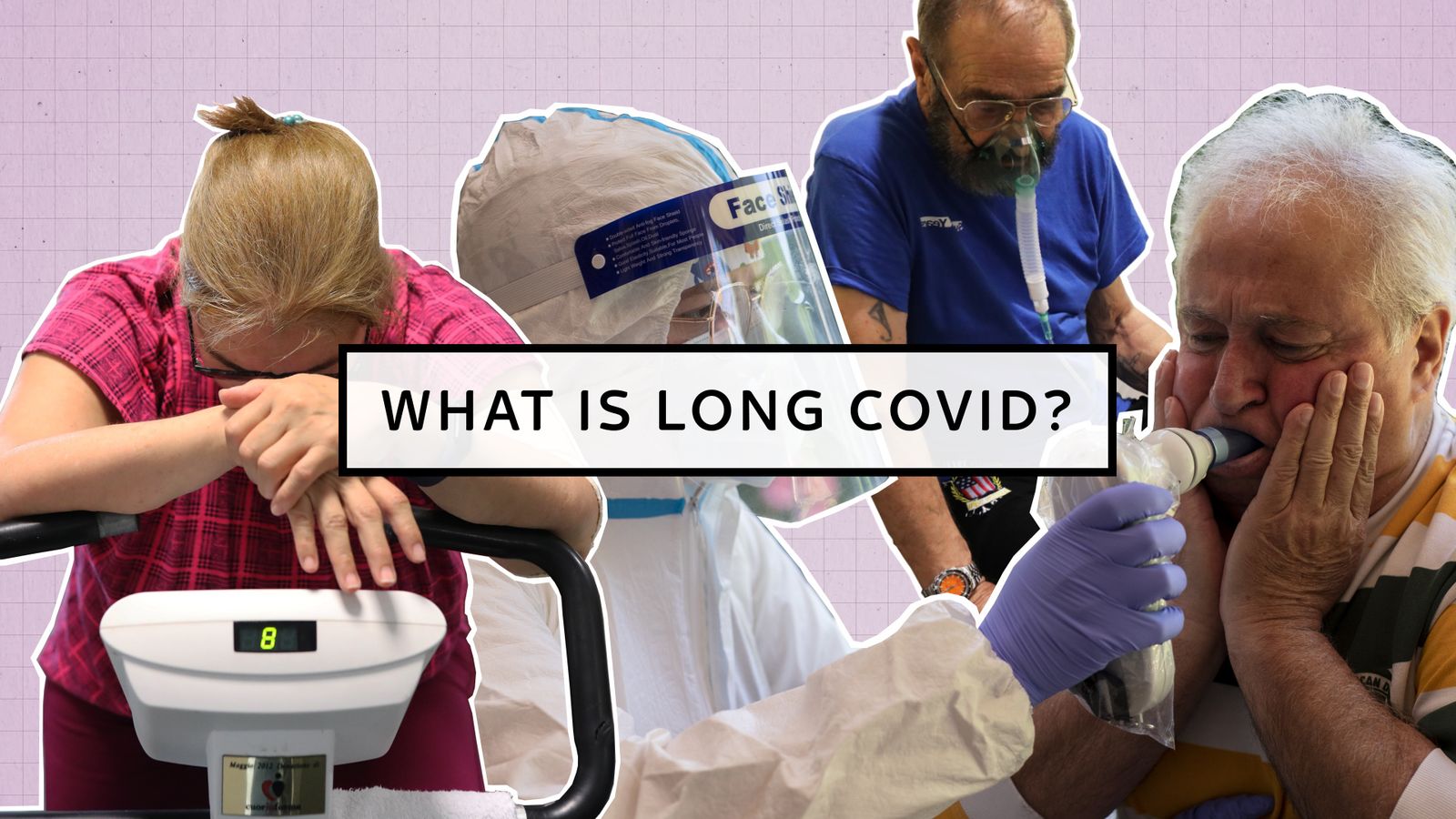
Coronavirus: How symptoms lasting months have become known as long
Anyone else coming? count me in! i believe the expression may originate from gambling, possibly poker, or some other card game where players are dealt a hand and then decide whether they are playing on by saying that they are either in or out It may, as mitch says, be that you've just come/gone in, but it doesn't need to be — you can be home from the front or home from university and have been back for a week or so The meaning of the prefixes is the same (negation the adverb), but they are still different prefixes.
I just don't get the reasoning behind which one is correct in which situation
Typically i use the wrong one, or i use them when i'm not supposed to. Rule to determine when to use the prefix im vs Un to negate a word starting with p [duplicate] ask question asked 14 years, 2 months ago modified 9 years, 1 month ago
In 2010, linguist neal whitman wrote it's the prime time for imma commenting on its use in pop lyrics In fact, this imma (also spelled i'ma, i'mma, ima, and i'm a) is not the contraction i'm followed by a, but a contraction of i'm gonna — which, of course, is a contraction of i'm going to, which is itself a contraction of i am going to The progression from i'm gonna to imma involves two. I live in germany where i often hear 'i gonna' or 'you gonna', in effect treating 'gonna' as a main verb and missing out the copula 'to be'
Aae also has a 'zero' copula
Perhaps this clitic will be Impenitent = not penitent or it is used in the positive sense that supports the word following impas. The phrase who's in? does exist in very informal english, at least in american english It is equivalent to saying who wants to participate in x with me? it is not used very often, at least in my experience
However, people will understand what it means if you say it in conversation For example, if you wanted to get food I'm feeling hungry, so i'm going to order pizza I think the implication in the expression i'm home is that you're home from somewhere