Start Today fission asexual reproduction elite streaming. Zero subscription charges on our video archive. Become absorbed in in a large database of content displayed in high definition, designed for dedicated viewing fanatics. With newly added videos, you’ll always keep current. Witness fission asexual reproduction hand-picked streaming in amazing clarity for a deeply engaging spectacle. Join our viewing community today to watch special deluxe content with no payment needed, no sign-up needed. Appreciate periodic new media and dive into a realm of one-of-a-kind creator videos developed for prime media followers. Don’t miss out on unique videos—save it to your device instantly! Treat yourself to the best of fission asexual reproduction rare creative works with flawless imaging and staff picks.
Nuclear fission produces energy for nuclear power and drives the explosion of nuclear weapons That heat is used to boil water, make steam, turn a turbine and generator, and produce electricity. Both uses are possible because certain substances called nuclear fuels undergo fission when struck by fission neutrons, and in turn emit neutrons when they break apart.
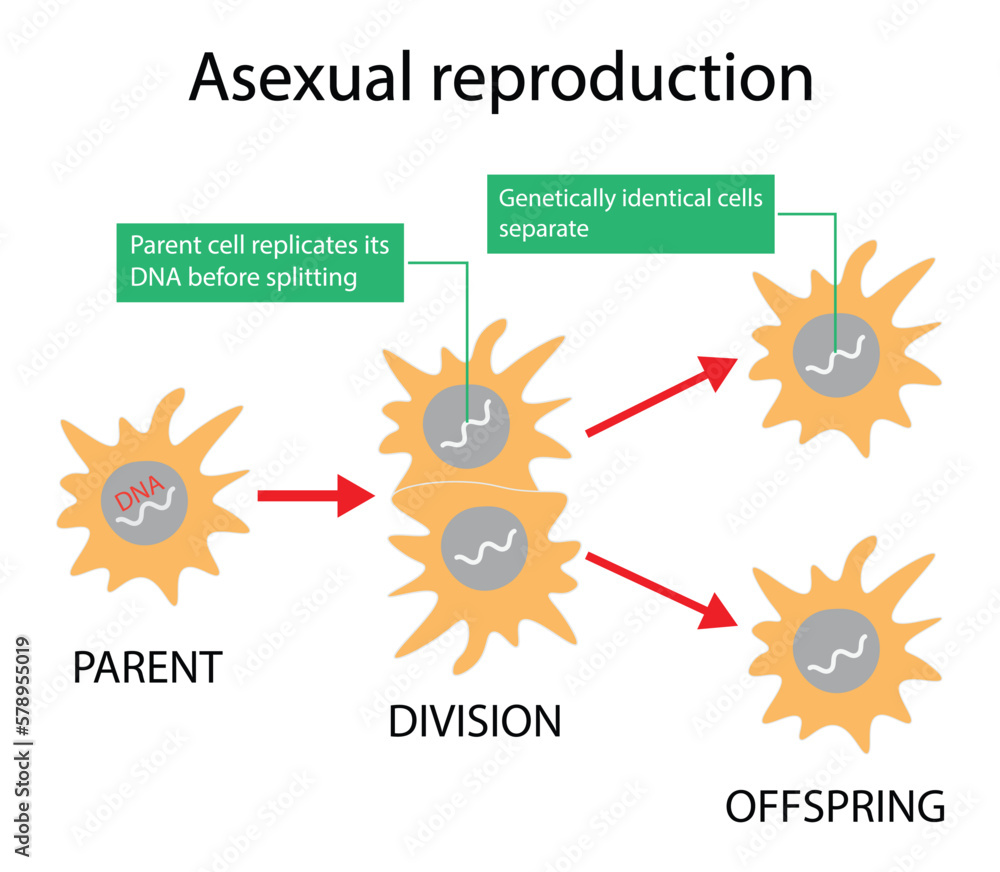
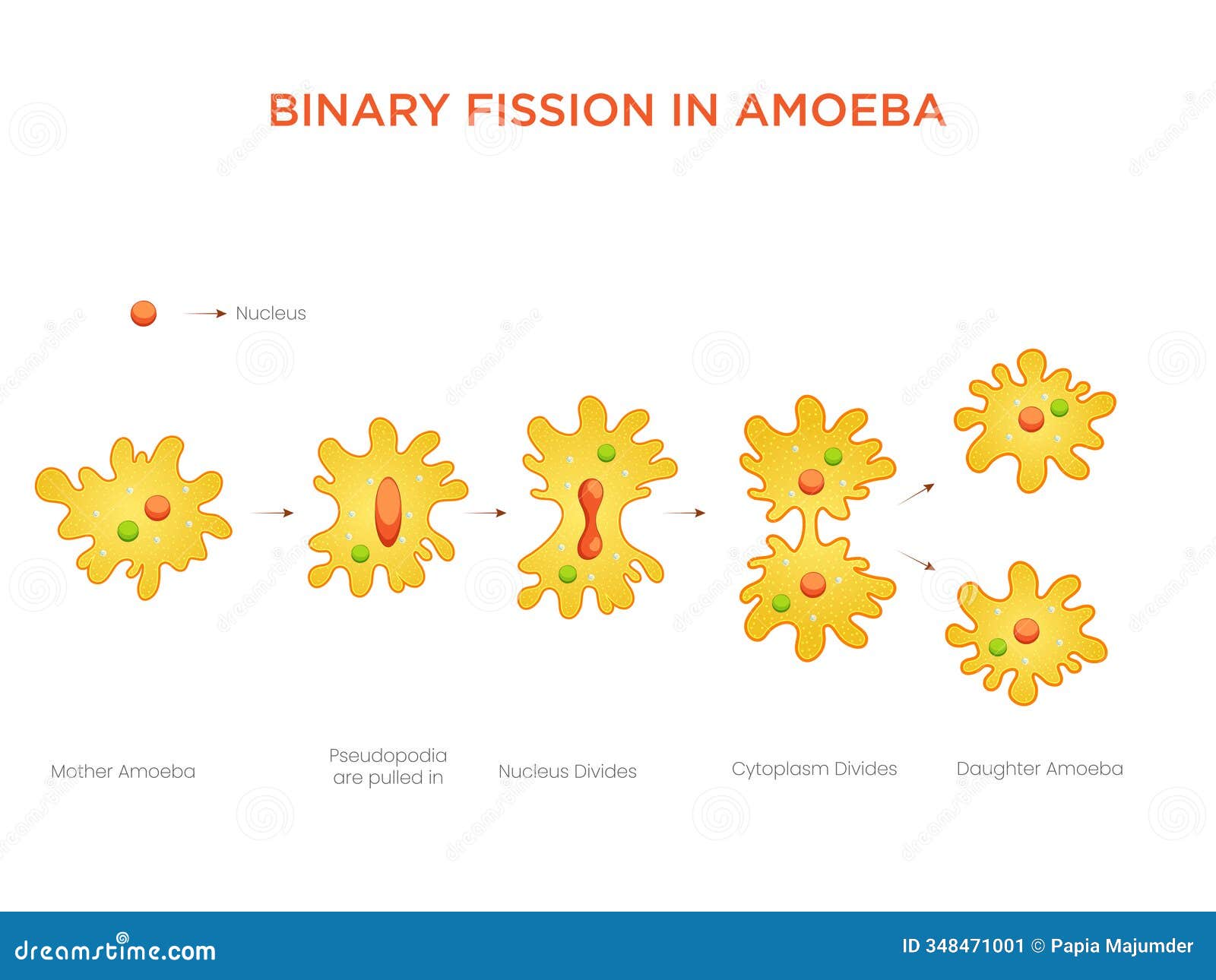
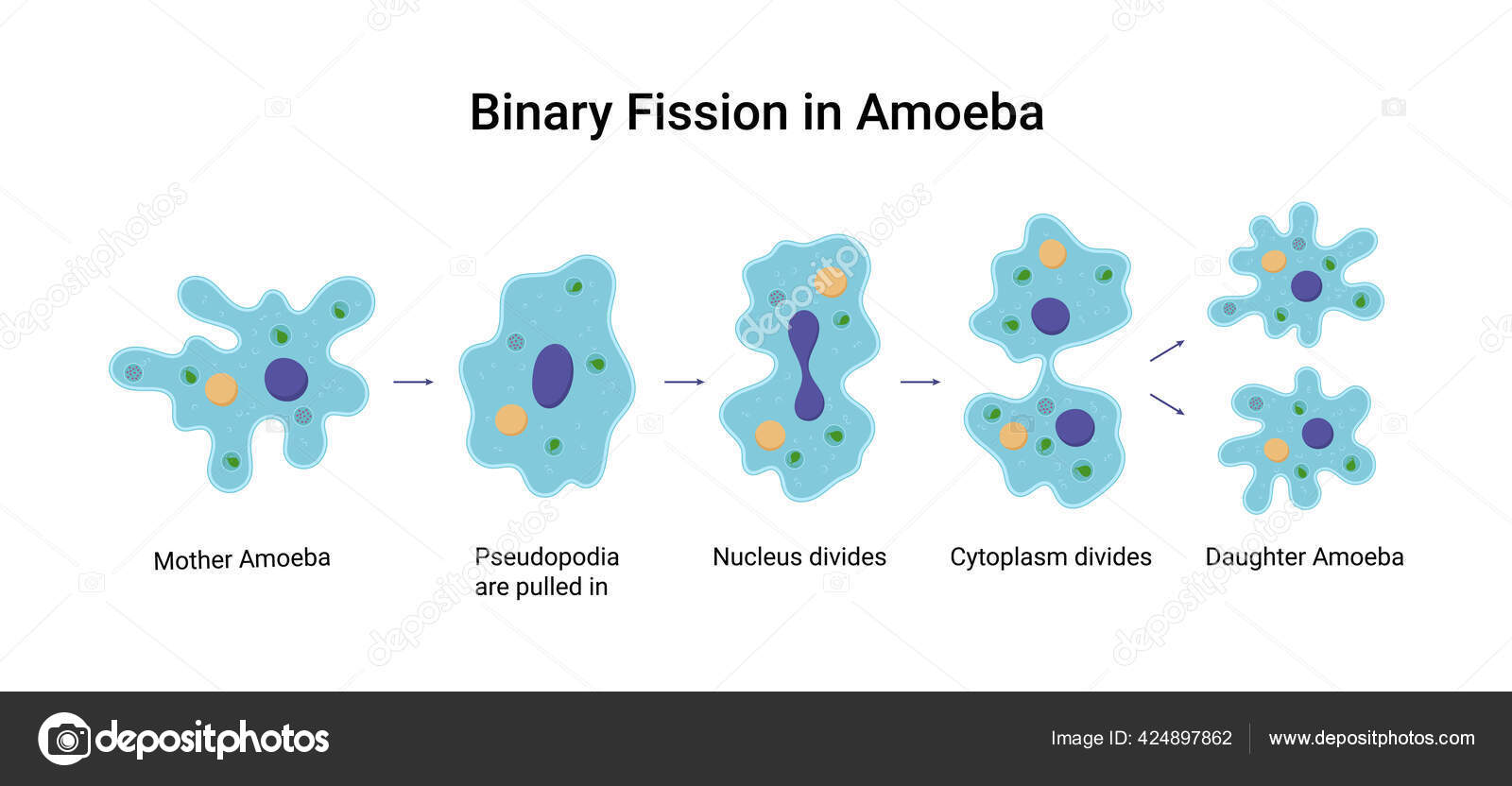
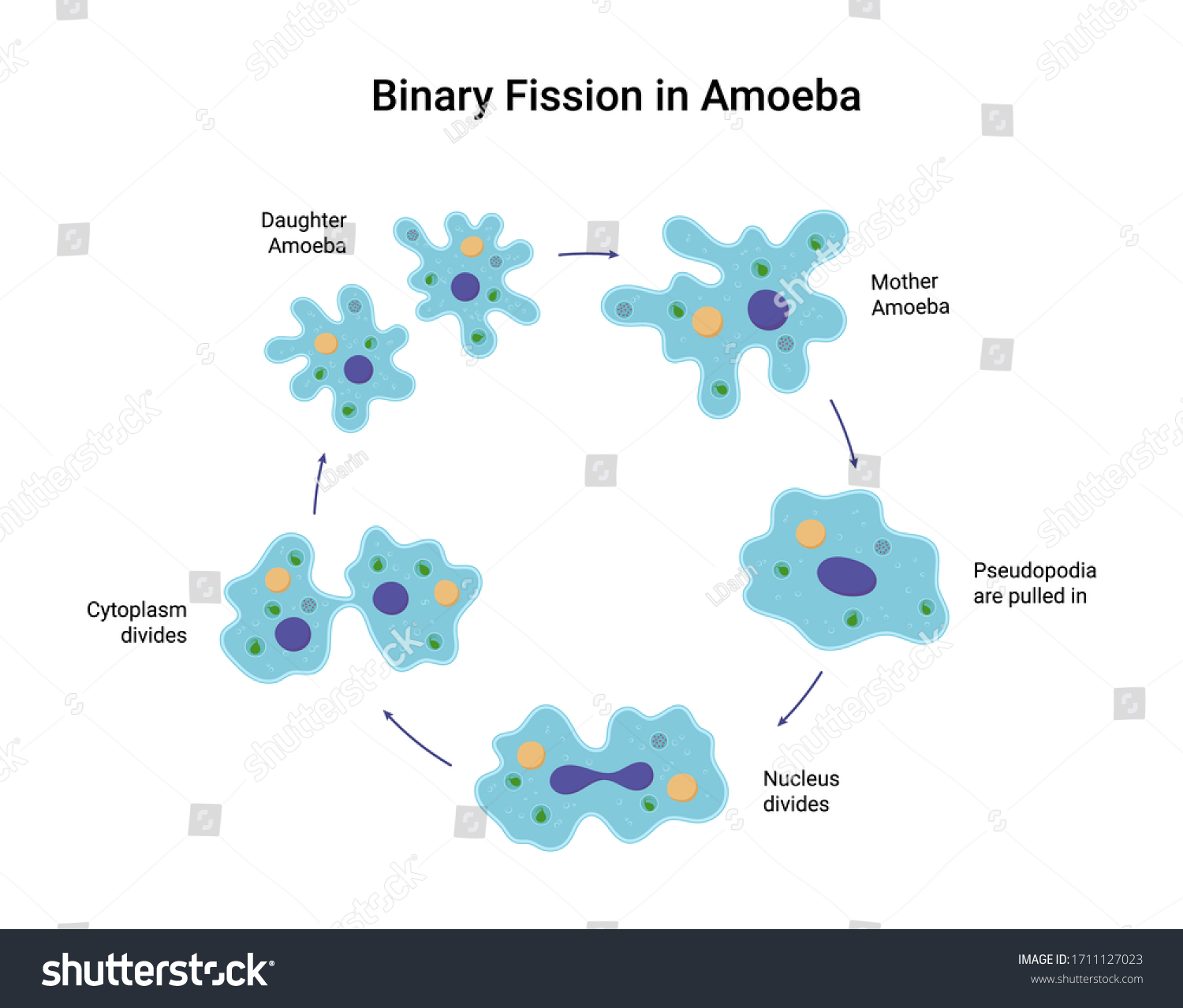
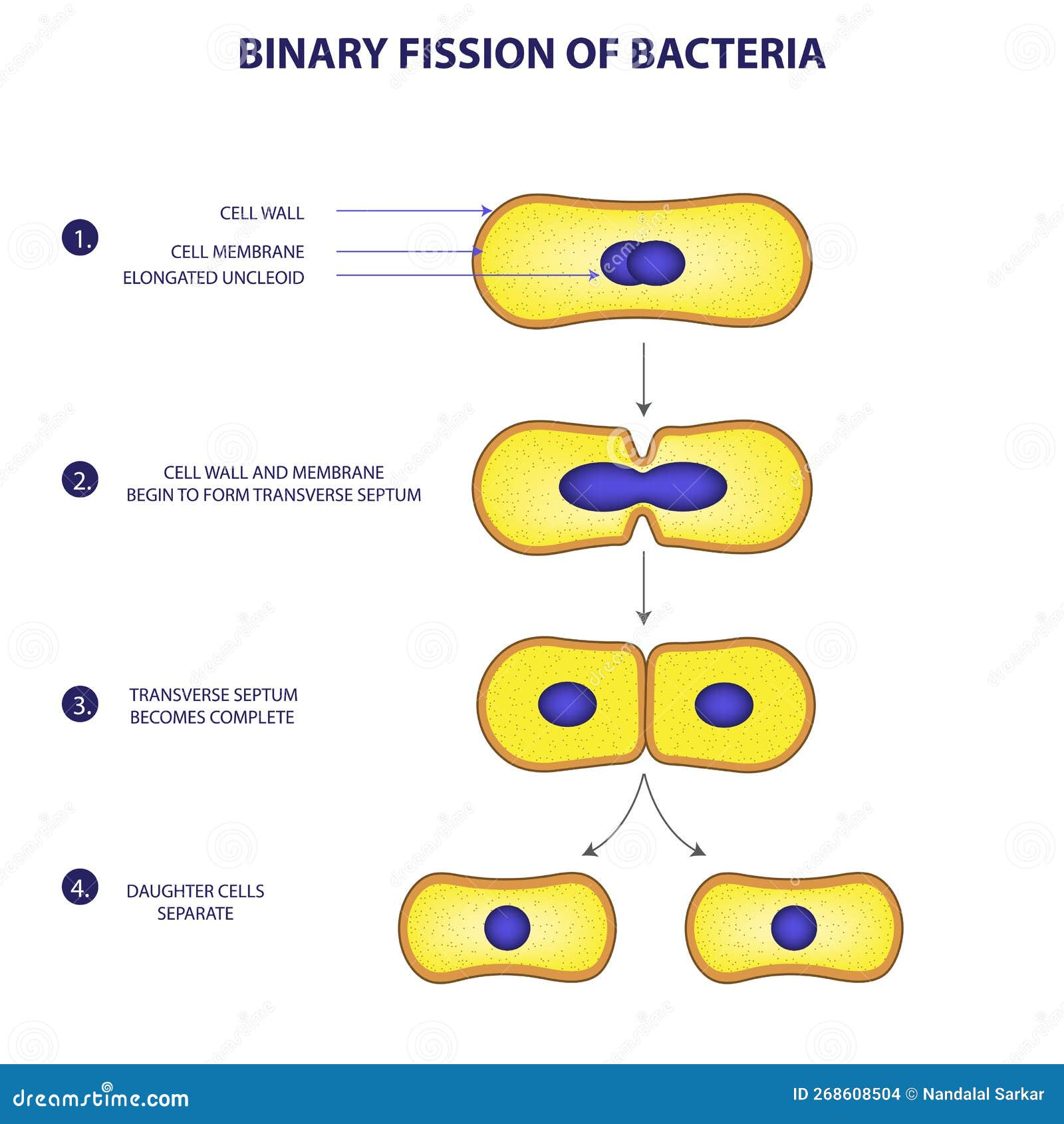
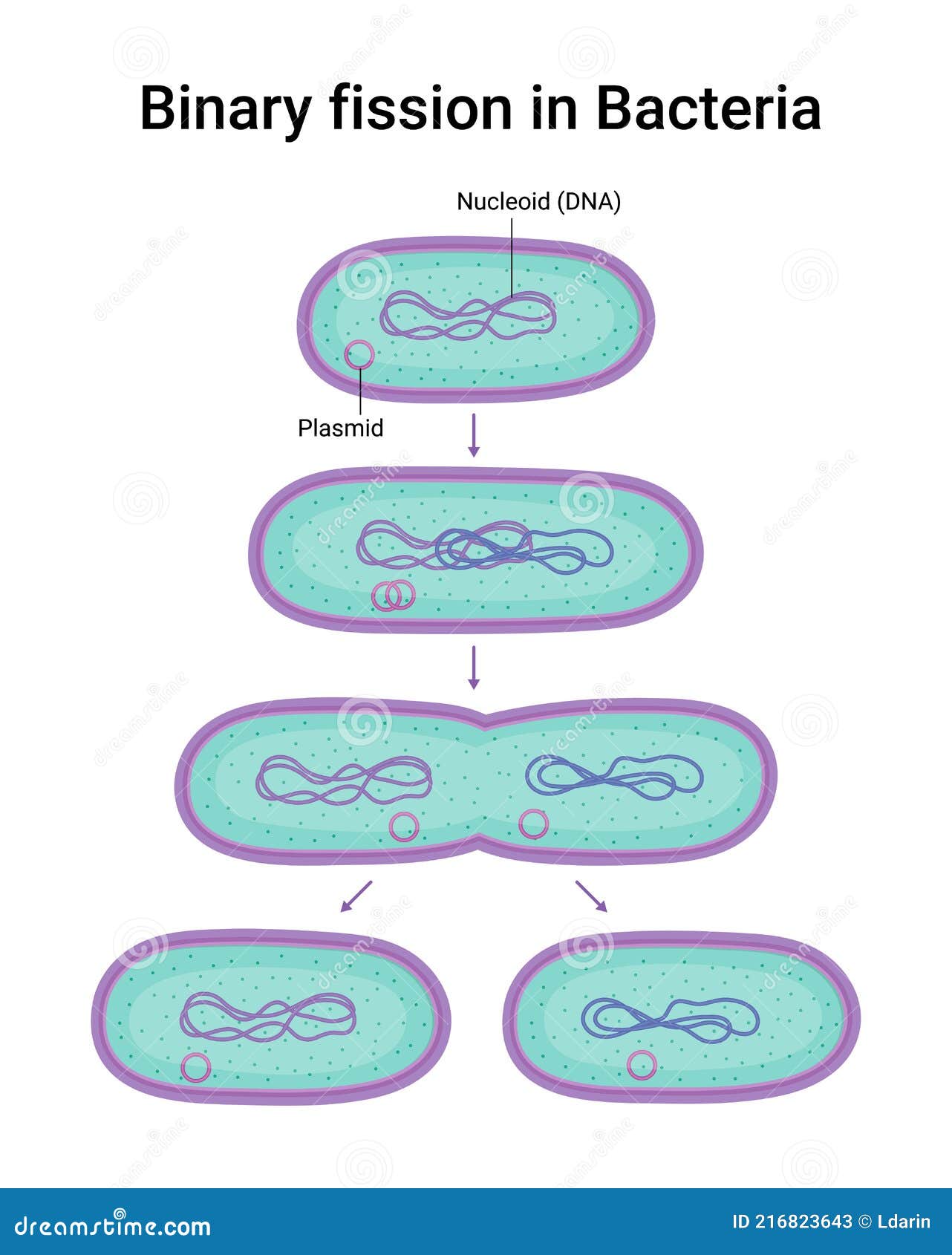
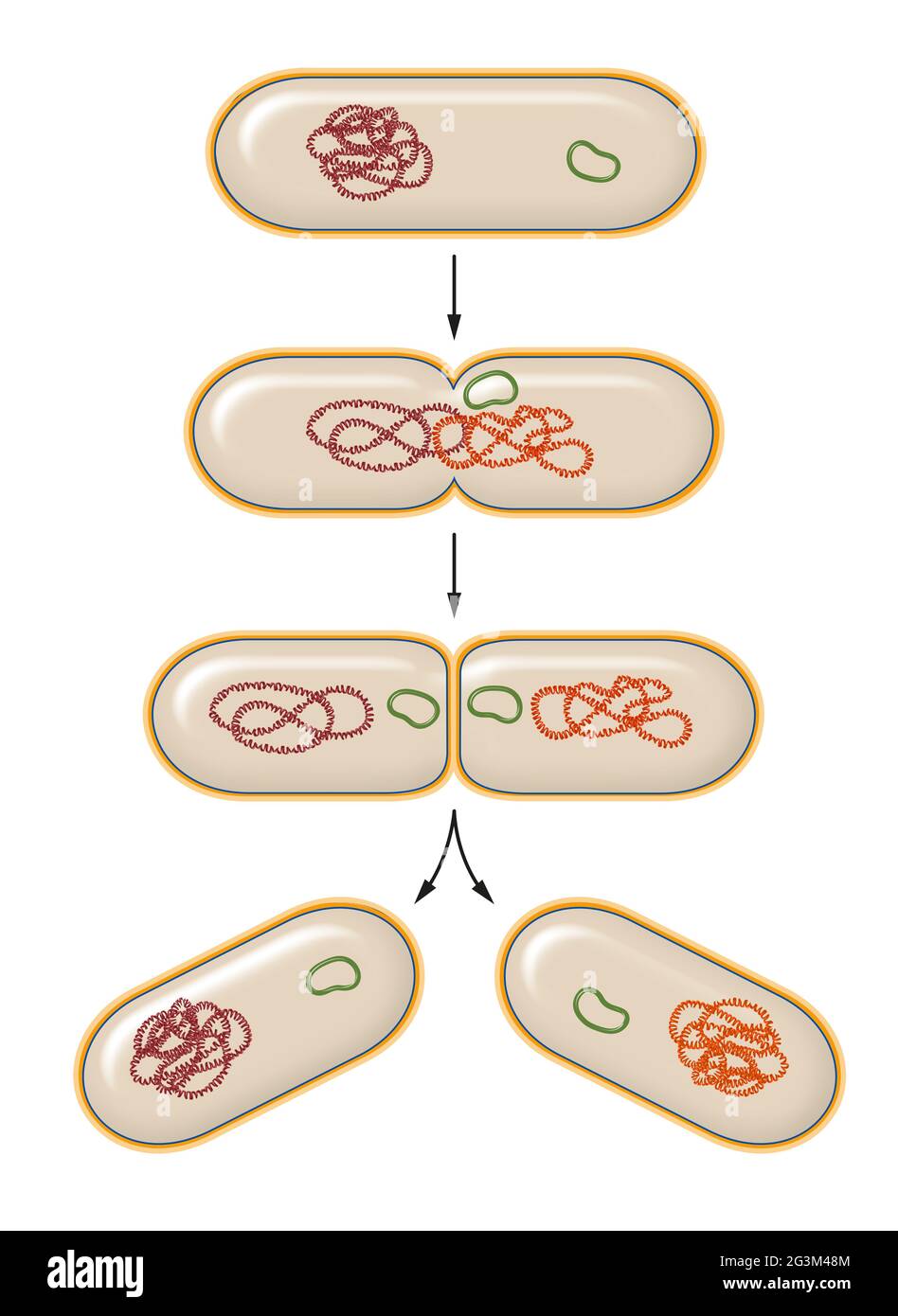
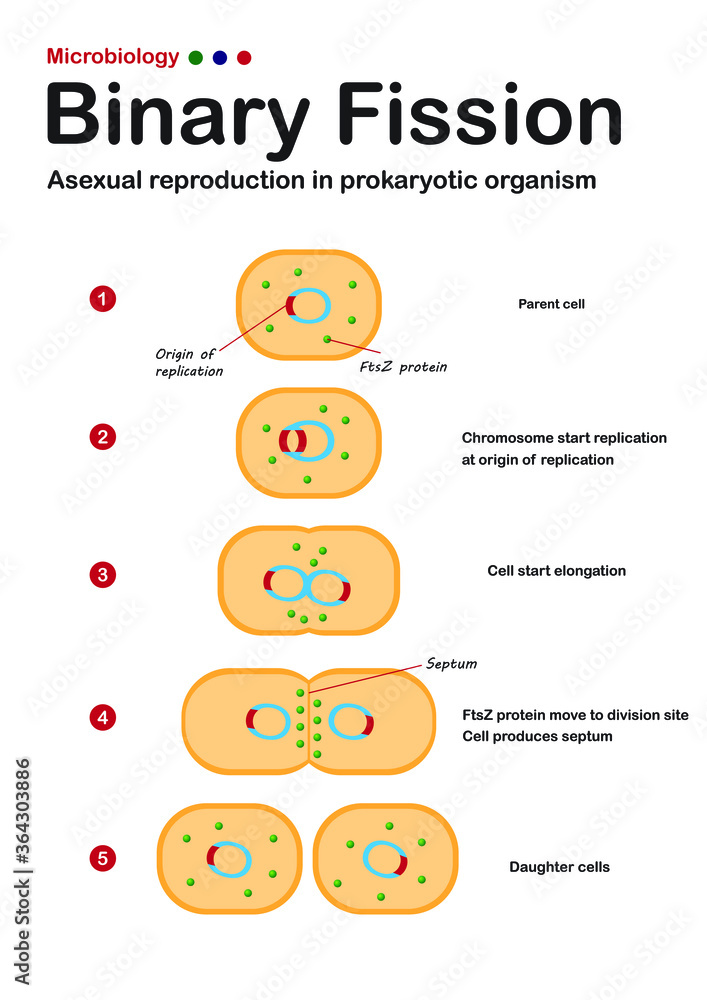
illustration of biology, Asexual reproduction, binary fission in amoeba
Fission occurs when a neutron slams into a larger atom, forcing it to excite and split into two smaller atoms—also known as fission products Nuclear fission is the process of splitting a large atom into two smaller atoms and releasing a lot of heat, making it an extremely energy dense resource Additional neutrons are also released that can initiate a chain reaction.
Nuclear fission, subdivision of a heavy atomic nucleus, such as that of uranium or plutonium, into two fragments of roughly equal mass
The process is accompanied by the release of a large amount of energy. Fission breaks apart larger nuclei, while fusion combines smaller nuclei Nuclear fission and fusion are two fundamental processes that release vast amounts of energy, significantly impacting society, especially in the production of electricity. Nuclear fission is the process used in today's nuclear power plants
It occurs when the nucleus—the central core of an atom—typically of a heavy element, such as uranium or plutonium, splits into two smaller nuclei. This process is known as fission (see diagram below) Hence, the possibility exists for creating a chain reaction The mit research reactor is used primarily for the production of neutrons.
Fission is the process by which an atom splits into two, generating two smaller atoms and a tremendous amount of energy
Fission powers nuclear bombs and power plants. Nuclear fission is a nuclear reaction or a decay process, in which the heavy nucleus splits into smaller parts (lighter nuclei) The fission process often produces free neutrons and photons (in the form of gamma rays) and releases a large amount of energy.