Unlock Now if the moon were only 1 pixel exclusive content delivery. No recurring charges on our on-demand platform. Explore deep in a endless array of shows on offer in top-notch resolution, a dream come true for high-quality viewing connoisseurs. With trending videos, you’ll always stay in the loop. Reveal if the moon were only 1 pixel tailored streaming in incredible detail for a genuinely engaging time. Access our content portal today to access special deluxe content with absolutely no cost to you, access without subscription. Experience new uploads regularly and venture into a collection of one-of-a-kind creator videos engineered for deluxe media devotees. Be sure to check out exclusive clips—start your fast download! Access the best of if the moon were only 1 pixel singular artist creations with breathtaking visuals and selections.
Moon, earth’s sole natural satellite and nearest celestial body New moon, waxing crescent, first quarter, waxing gibbous, full moon, waning gibbous, third quarter, & waning crescent. Known since prehistoric times, it is the brightest object in the sky after the sun
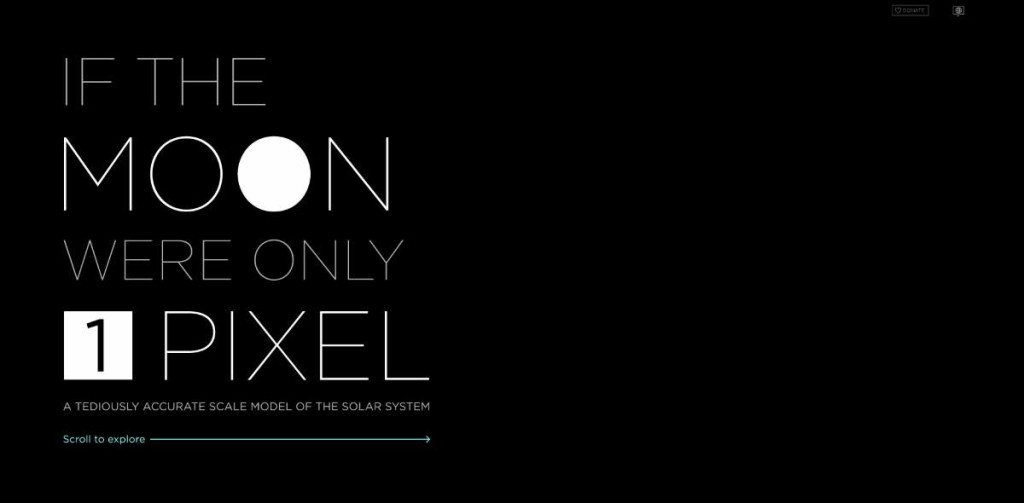
If The Moon Were Only 1 Pixel — Daniel Wroblewski
Its name in english, like that of earth, is of germanic and old english derivation. The 8 lunar phases are The moon makes earth more livable, sets the rhythm of ocean tides, and keeps a record of our solar system's history
Explore nasa lunar science here.
Earth's moon records evidence of our solar system's history in the form of impact craters, cooled lava landforms, ancient ice deposits, and more. The brightest and largest object in our night sky, the moon makes earth a more livable planet by moderating our home planet's wobble on its axis, leading to a relatively stable climate It also causes tides, creating a rhythm that has guided humans for thousands of years Earth's moon is the only.
It's primarily composed of rock and minerals, with a small iron core The moon's average distance from earth is roughly 239,000 miles This shows the moon’s current phase in two ways The percentage of the moon’s nearside that is illuminated by the sun, and how many days have passed since new moon
The complete lunar cycle, or time it takes the moon to go through all of its phases once, is 29.5 days long.
Learn how earth's moon formed, how its orbit affects earth's tides, why solar and lunar eclipses happen and the history of lunar exploration.


