Begin Immediately asexual reproduction animals exclusive live feed. Without any fees on our digital collection. Plunge into in a immense catalog of shows provided in unmatched quality, excellent for superior viewing devotees. With just-released media, you’ll always never miss a thing. Encounter asexual reproduction animals curated streaming in life-like picture quality for a sensory delight. Link up with our streaming center today to look at content you won't find anywhere else with totally complimentary, no credit card needed. Be happy with constant refreshments and investigate a universe of singular artist creations built for premium media aficionados. You won't want to miss rare footage—rapidly download now! Witness the ultimate asexual reproduction animals uncommon filmmaker media with flawless imaging and selections.
In the animal kingdom, reproduction is a necessary part of species survival If sexual reproduction is superior in terms of adaptability, why has asexual reproduction persisted? Learn about 12 animals that reproduce asexually and don't need a mate.
Budding Examples
Asexual reproduction, by contrast, dispenses with the entire business of genetic sorting This raises one of the most enduring questions in evolutionary biology Whereas sexually reproducing animals need to spend a lot of time and energy searching for and courting a potential partner, animals that reproduce asexually can create new offspring, even identical clones, with incredible speed and ease.
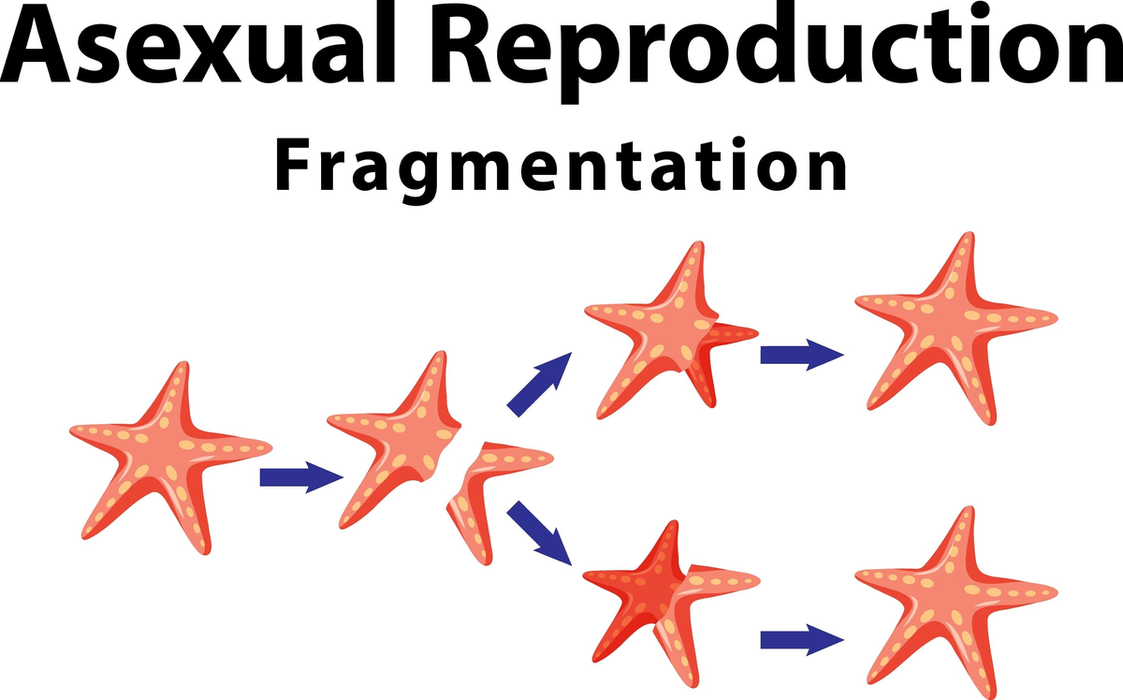
Learn about the different types of asexual reproduction and the animals that use them
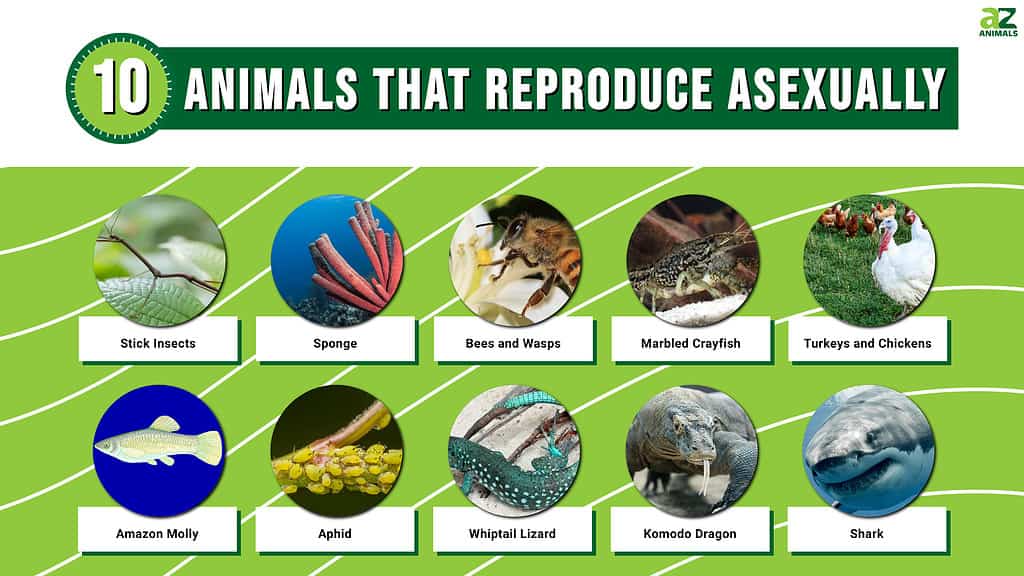
See examples of animals that only reproduce asexually, such as amazon molly fish and marbled crayfish, and animals that can reproduce both sexually and asexually, such as ants and bees. Asexual reproduction in animals with animals Asexual reproduction is a reproductive strategy that does not require the presence of two individuals Asexual animals are rare, but they do exist.
Yet in multicellular animals, sexual reproduction eventually became dominant, likely due to its ability to generate genetic diversity