Access Now f a t a l m o d e l deluxe digital media. No recurring charges on our visual library. Explore deep in a massive assortment of curated content made available in 4K resolution, great for premium viewing admirers. With newly added videos, you’ll always stay current. Locate f a t a l m o d e l chosen streaming in ultra-HD clarity for a sensory delight. Get into our video library today to take in solely available premium media with with zero cost, no credit card needed. Appreciate periodic new media and experience a plethora of distinctive producer content made for select media aficionados. Don't forget to get unseen videos—get it in seconds! Enjoy top-tier f a t a l m o d e l specialized creator content with crystal-clear detail and hand-picked favorites.
L specifies that a following a, a, e, e, f, f, g, or g conversion specifier applies to a long double argument It reminds me of the fake 'getting the single element of a set operator' ,= as used in elem ,= {'single_element'} which works but just causes confusion! The same rules specified for fprintf apply for printf, sprintf and similar functions.
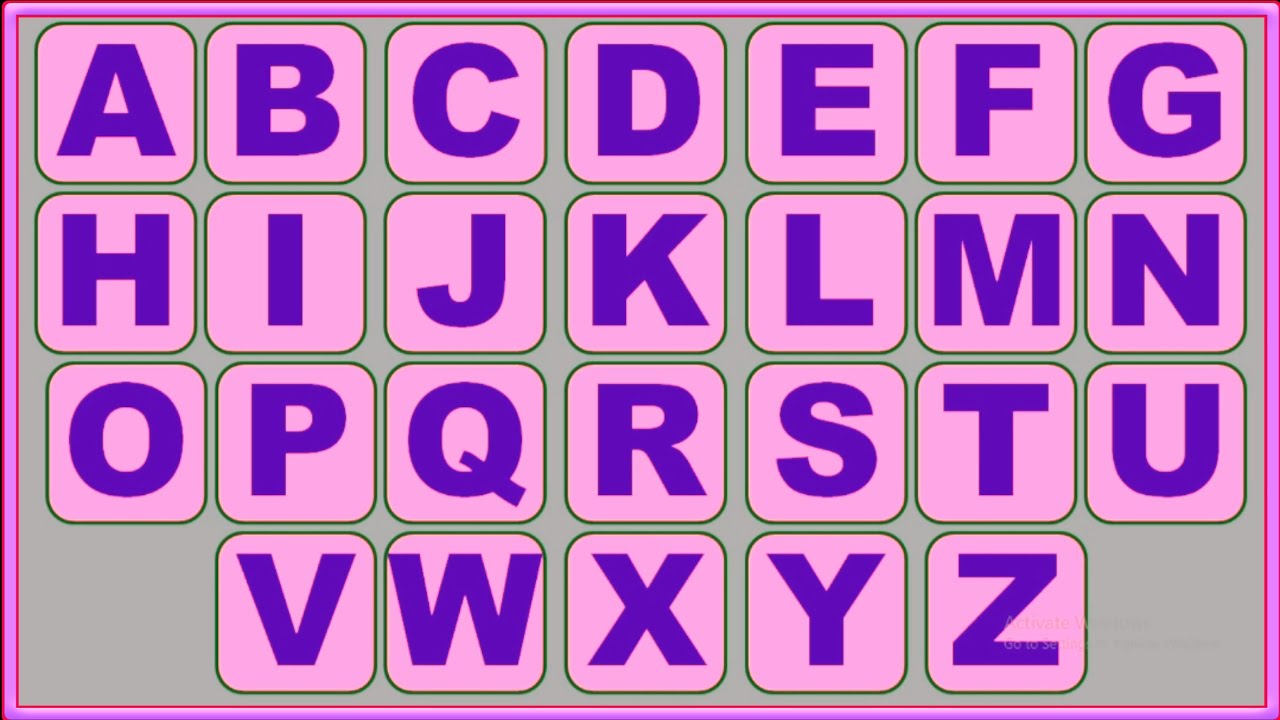
ABCD for kids // Capital letter A B C D E F G H I J K L M N O P Q R S T
A few of these don't do anything interesting, or even anything visible It's essentially just going f {string} + {word} which is simple and straightforward but doing so in a more confusing way I have indicated those which don't do anything visually
Reddit is a network of communities where people can dive into their interests, hobbies and passions
There's a community for whatever you're interested in on reddit. When using an f in front of a string, all the variables inside curly brackets are read and replaced by their value. I would like if ppl is true to format num to 2 decimal places, and if ppl is false to rformat it as whatever it is Set line=%%f sets then the line variable to the line just read and call :procestoken calls a subroutine that does something with the line :processtoken is the start of the subroutine mentioned above.
/pic522215.jpg)