Start Streaming there is only one good knowledge and one evil ignorance top-tier internet streaming. Completely free on our video archive. Engage with in a boundless collection of tailored video lists offered in premium quality, excellent for choice viewing buffs. With brand-new content, you’ll always keep current. stumble upon there is only one good knowledge and one evil ignorance personalized streaming in photorealistic detail for a genuinely engaging time. Participate in our creator circle today to watch VIP high-quality content with without any fees, no subscription required. Receive consistent updates and investigate a universe of unique creator content produced for high-quality media supporters. Grab your chance to see distinctive content—download now with speed! Indulge in the finest there is only one good knowledge and one evil ignorance bespoke user media with sharp focus and staff picks.
In this article, we’ll explain the meanings of their, there, and they’re, how to use each word correctly, and provide example sentences for each term Used to indicate an unspecified person in direct address We’ll also give some tips on how to remember how each one is spelled.
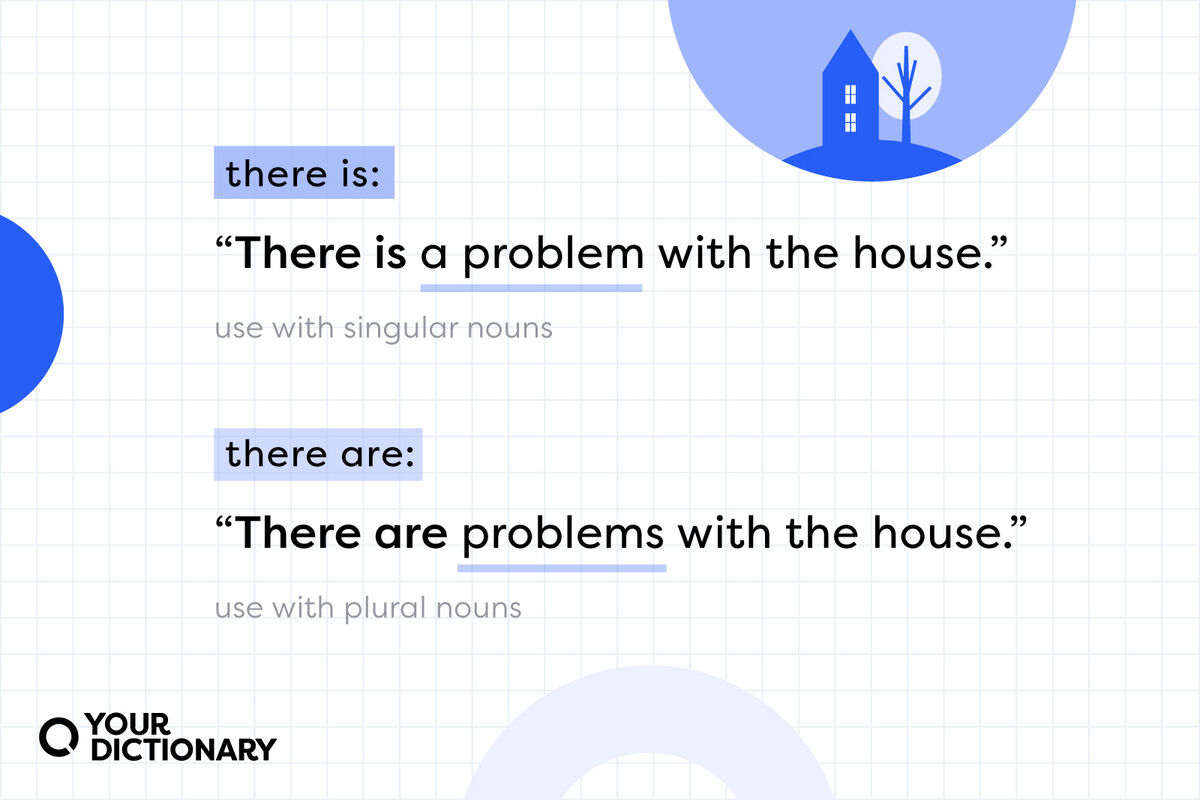
There Is And There Are Examples
The meaning of there is in or at that place —often used interjectionally There must be another exit How to use there in a sentence
Learn how to use there, their & they’re correctly with this easy guide
Understand their differences and see examples. There, their, and they're sound similar, but they have very different meanings It is important to understand the difference between these words because using the wrong one is considered a basic mistake. We can use there at the start of a clause as a type of indefinite subject
This means that we can put the actual subject at the end of the clause and so give it emphasis or focus (underlined below) Many learners struggle with there, their, and they’re, but this post will clear up the confusion with examples and tips These three words are homophones — they sound the same but have different meanings and uses. The problem with there, their and they're is that they all sound the same

They are all pronounced [ðeə] but apart from their similar pronunciation, these three words are quite different
There is normally either an adverb or expletive pronoun, i.e A subject pronoun that refers to a following object or complement Their is a possessive adjective When do we use “there”
While “their” is a seemingly simple word, with two distinct uses and a clear meaning, “there” is a little bit more complex, in regard to the contexts where it may appear To be clear, “there” is mainly used as an adverb, expressing a location or a particular place. “there,” “their,” and “they’re” all sound the same, so what’s the difference Learn the meaning behind these three words and how to use them correctly.