Start Streaming what causes csf leaks unrivaled playback. Freely available on our streaming service. Plunge into in a large database of documentaries offered in first-rate visuals, the best choice for exclusive watching buffs. With the latest videos, you’ll always stay updated. Check out what causes csf leaks personalized streaming in sharp visuals for a utterly absorbing encounter. Get involved with our viewing community today to stream private first-class media with without any fees, no sign-up needed. Stay tuned for new releases and uncover a galaxy of uncommon filmmaker media crafted for elite media buffs. Grab your chance to see hard-to-find content—download quickly! Indulge in the finest what causes csf leaks distinctive producer content with brilliant quality and featured choices.
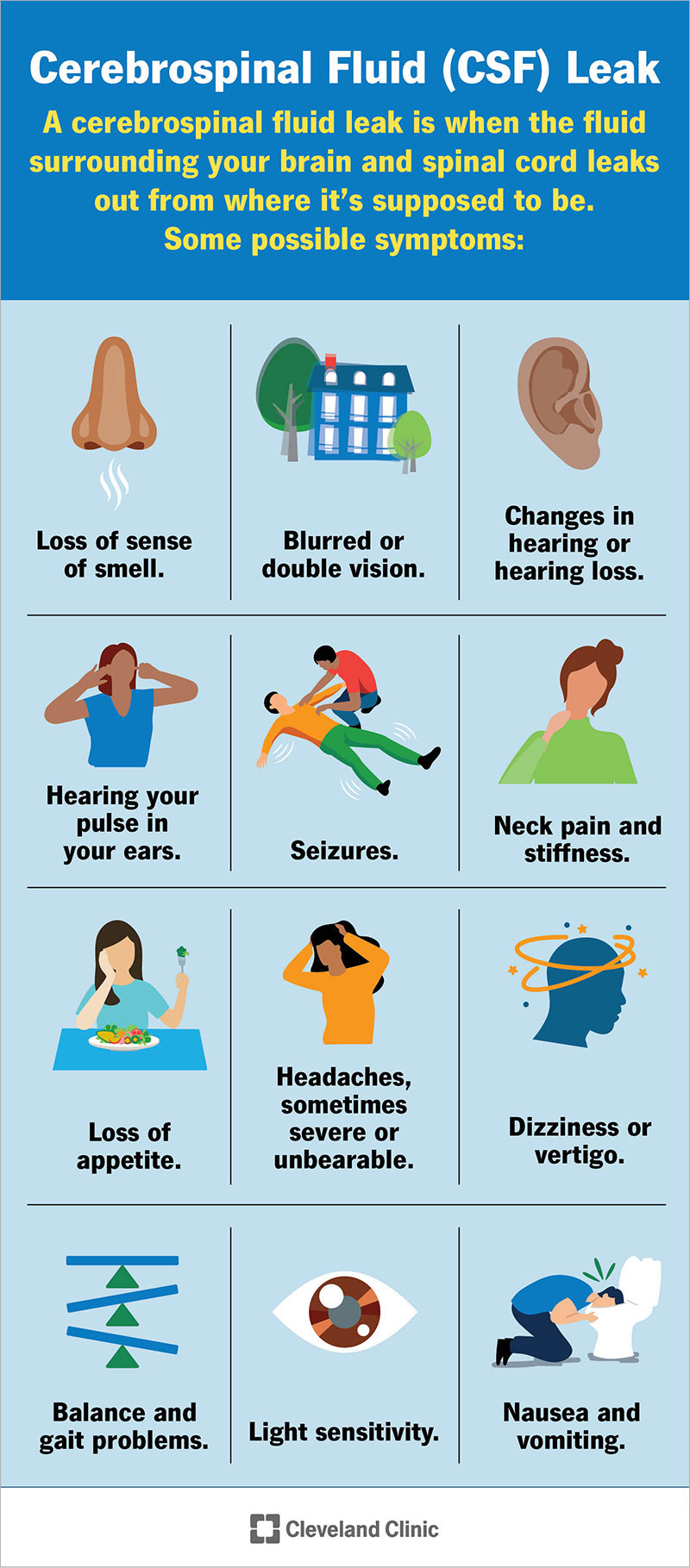
The most common symptom of a spinal csf leak is a headache This is a serious condition that can cause headaches, seizures, or meningitis. A cranial csf leak occurs in the skull, and often causes symptoms such as clear fluid leaking from the nose or ear
Spinal CSF leak - Causes - Spinal CSF Leak Foundation
Some csf leaks may heal with bed rest and other conservative treatment A csf leak occurs when cerebrospinal fluid (csf) escapes from the protective layer surrounding the brain and spinal cord Many csf leaks need a patch to cover the hole or surgery to repair the leak.
A csf leak can cause symptoms like a headache and a runny nose if it’s near your brain, or neck stiffness and radiating pain if it’s in your spine
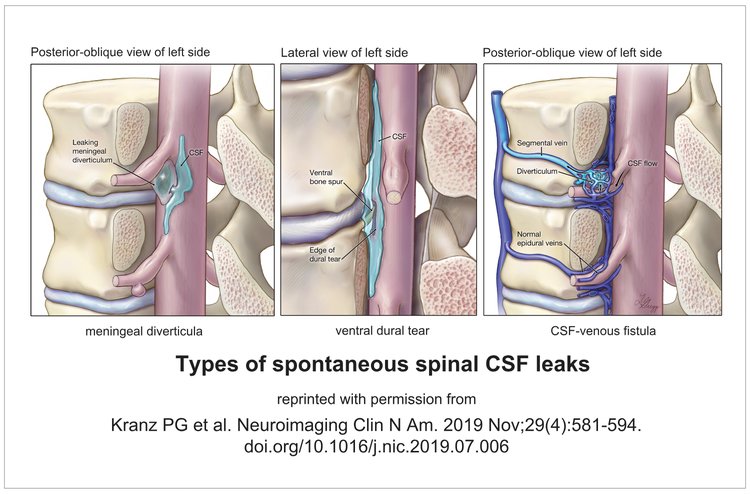
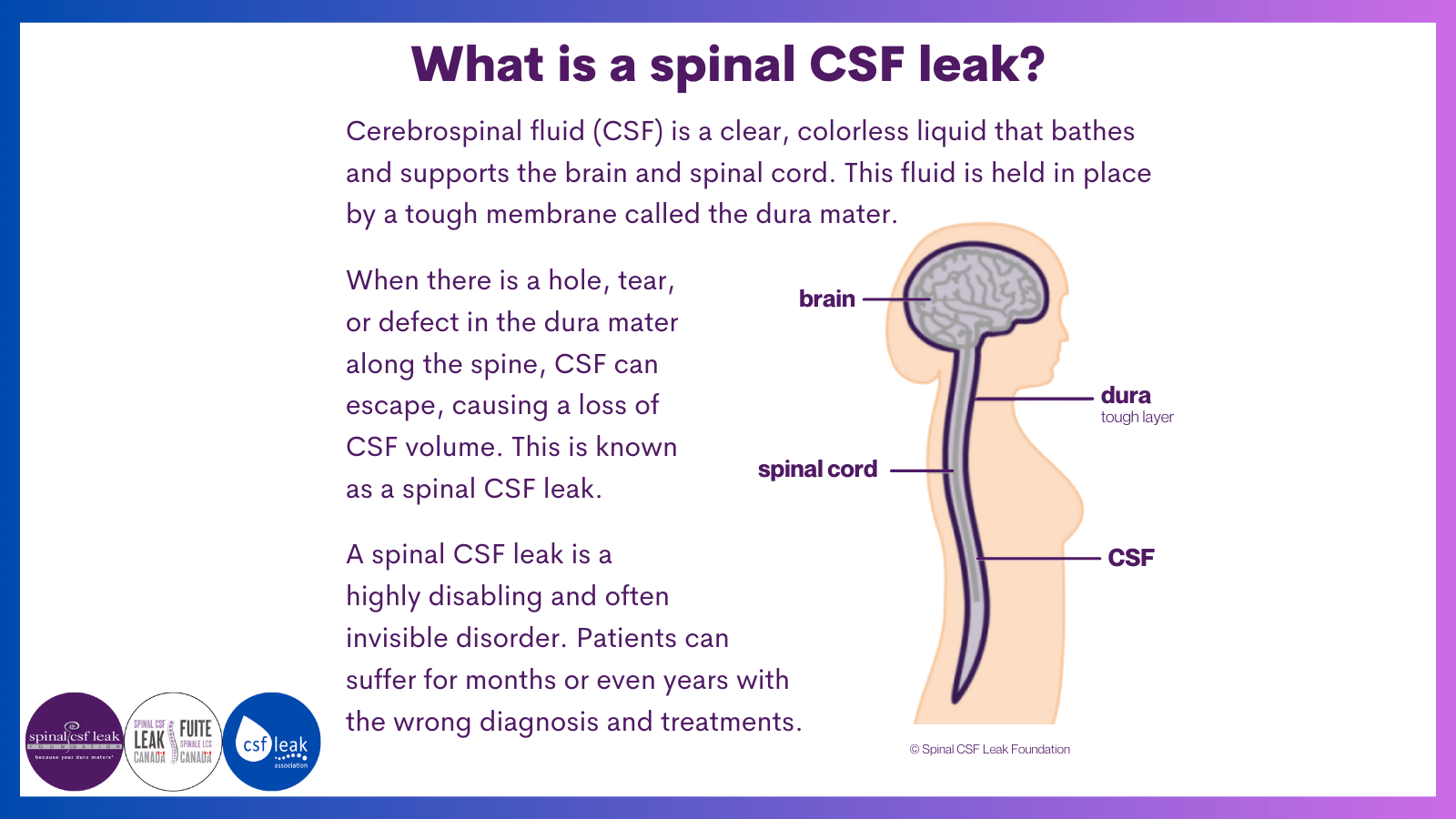
Learn the causes, symptoms, diagnosis, and treatment of csf (cerebrospinal fluid) leaks, caused by a tear in the dura mater near the brain or spine. Cerebrospinal fluid (csf) is a watery fluid that continually circulates through the brain’s ventricles (hollow cavities) and around the surface of the brain and spinal cord A csf leak occurs when the csf escapes through a tear or hole in the dura, the outermost layer of the meninges. The tear and resulting leak of cerebrospinal fluid can cause you to lose the protective cushion of fluid around the brain and spinal cord
Low cerebrospinal fluid pressure leads to chronic headaches and other debilitating symptoms including Severe headaches, especially when upright new persistent headaches that occur daily, often starting abruptly A headache can be a sign of a cerebrospinal fluid (csf) leak if you have had a recent head injury You may also have a runny nose, neck pain, and nausea.