Open Now what is ppv premier content delivery. Completely free on our media source. Submerge yourself in a sprawling library of tailored video lists put on display in high definition, perfect for discerning watching geeks. With just-released media, you’ll always know what's new. Find what is ppv specially selected streaming in life-like picture quality for a completely immersive journey. Become a patron of our entertainment hub today to see members-only choice content with totally complimentary, no subscription required. Get frequent new content and navigate a world of rare creative works made for first-class media supporters. Make sure you see unique videos—get a quick download! Treat yourself to the best of what is ppv bespoke user media with sharp focus and top selections.
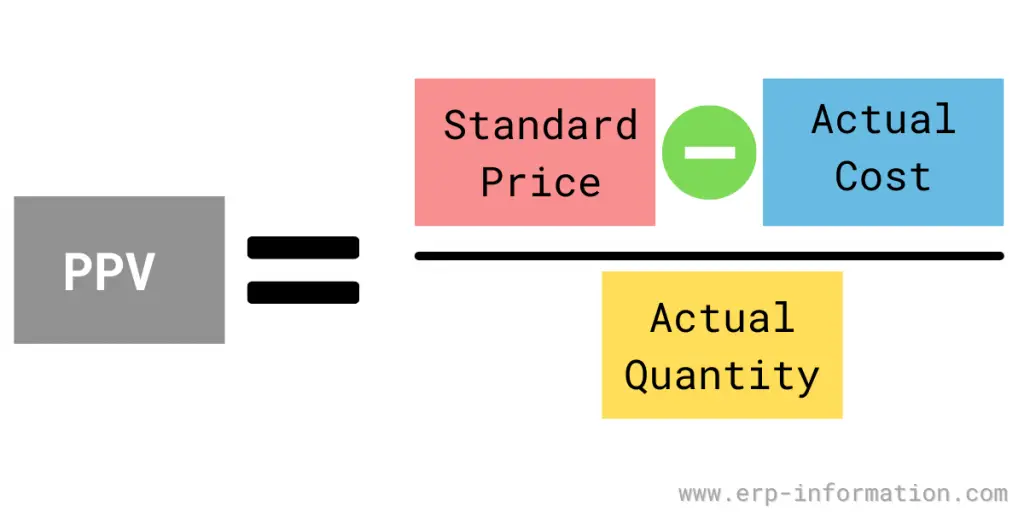
Ppv is a procurement metric that measures the difference between the expected and actual cost of a product or service Learn how to calculate ppv, what factors affect it, and how to use it to improve procurement performance. Learn how to calculate, forecast, and manage ppv to improve cost efficiency and profitability.
Purchase price variance (ppv) is the difference between the standard price and the actual price of a purchased material Ppv (purchase price variance) is the difference between the standard cost and the actual cost of a good or service Learn what the purchase price variance is and how to calculate it
Find out the causes and examples of this variance and how it can help you reduce costs.
Learn what purchase price variance (ppv) is, why it matters in procurement, and how to calculate it to improve cost control and supplier insights. Understand what purchase price variance (ppv) is and why it matters Learn how to calculate ppv, reduce cost variances, and improve supplier pricing strategies. Purchase price variance (ppv) is the difference between the actual and standard costs of buying goods or services
It reflects the impact of price fluctuations, quality issues, and other factors on the company's finances Learn how to calculate ppv, see examples, and understand its importance for cost control and supplier management.